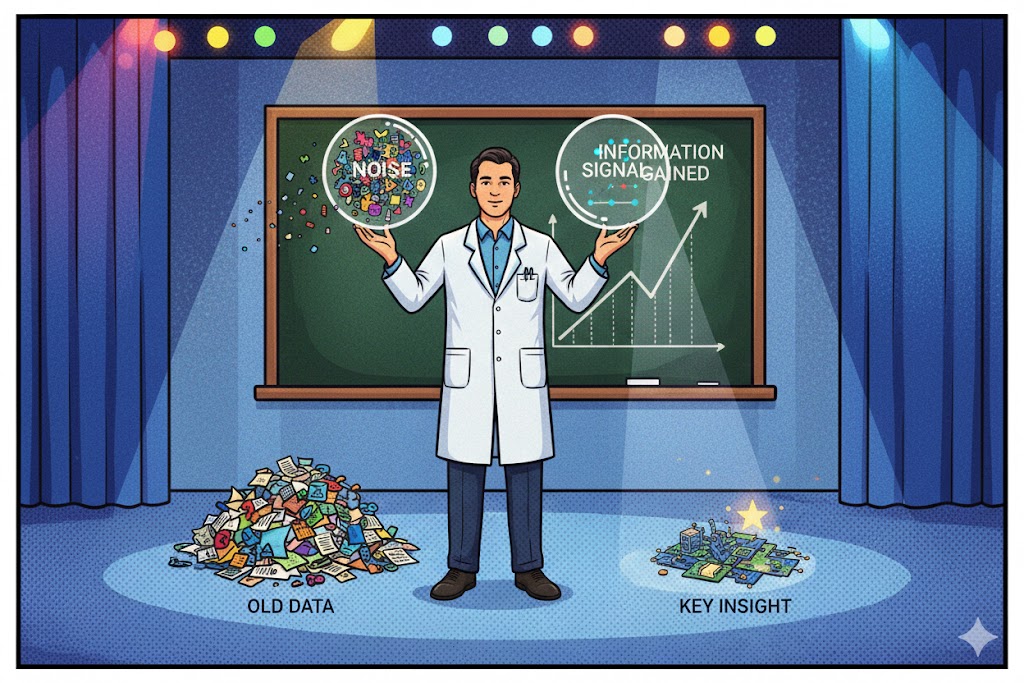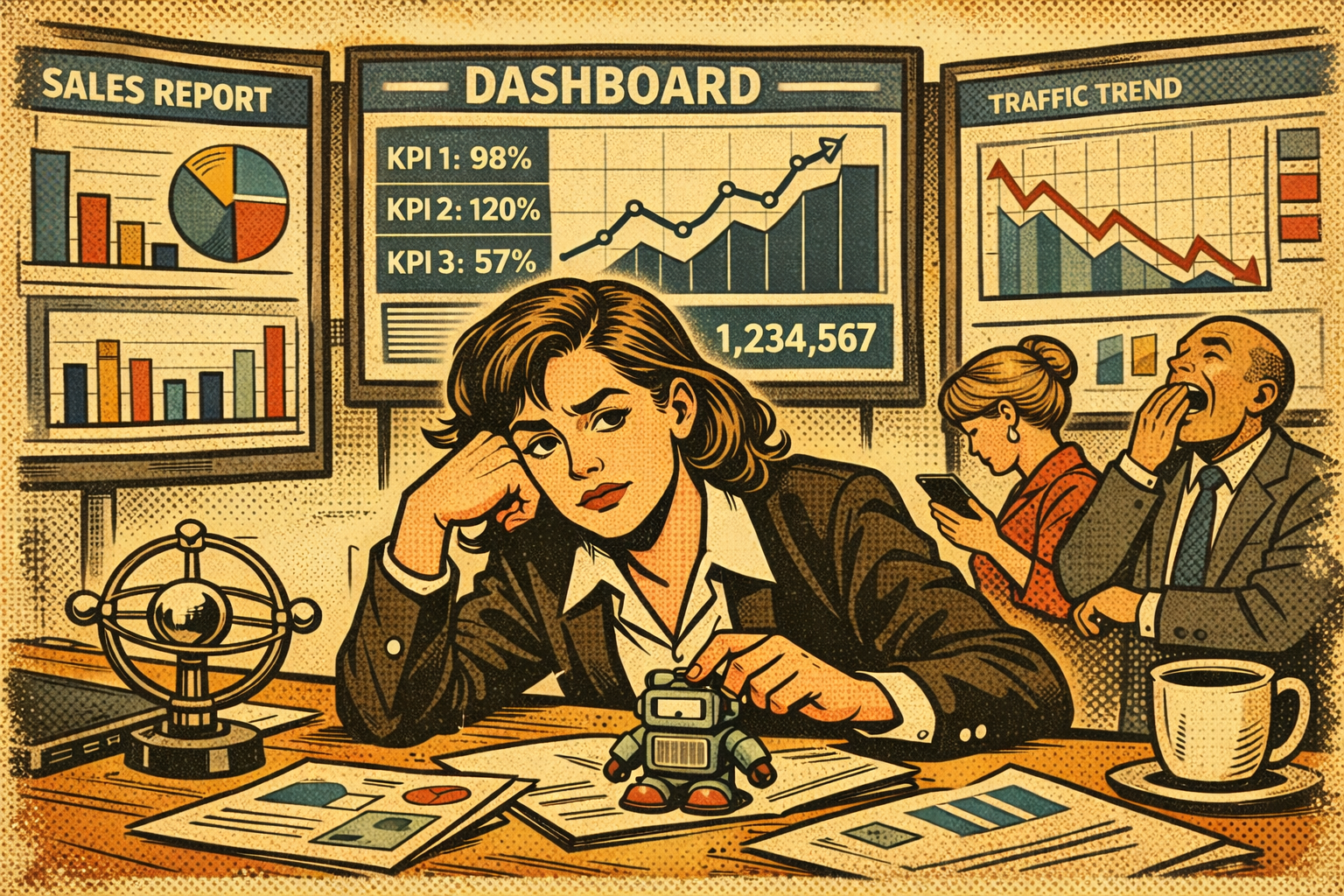
Most organizations believe they use data to make decisions. What they actually do is circulate numbers around decisions that already happened.
This is not because people are dishonest. It is because data is rarely designed to participate in the decision itself.
To understand why, you need to separate two very different uses of data: representation and intervention.
Representation vs Intervention
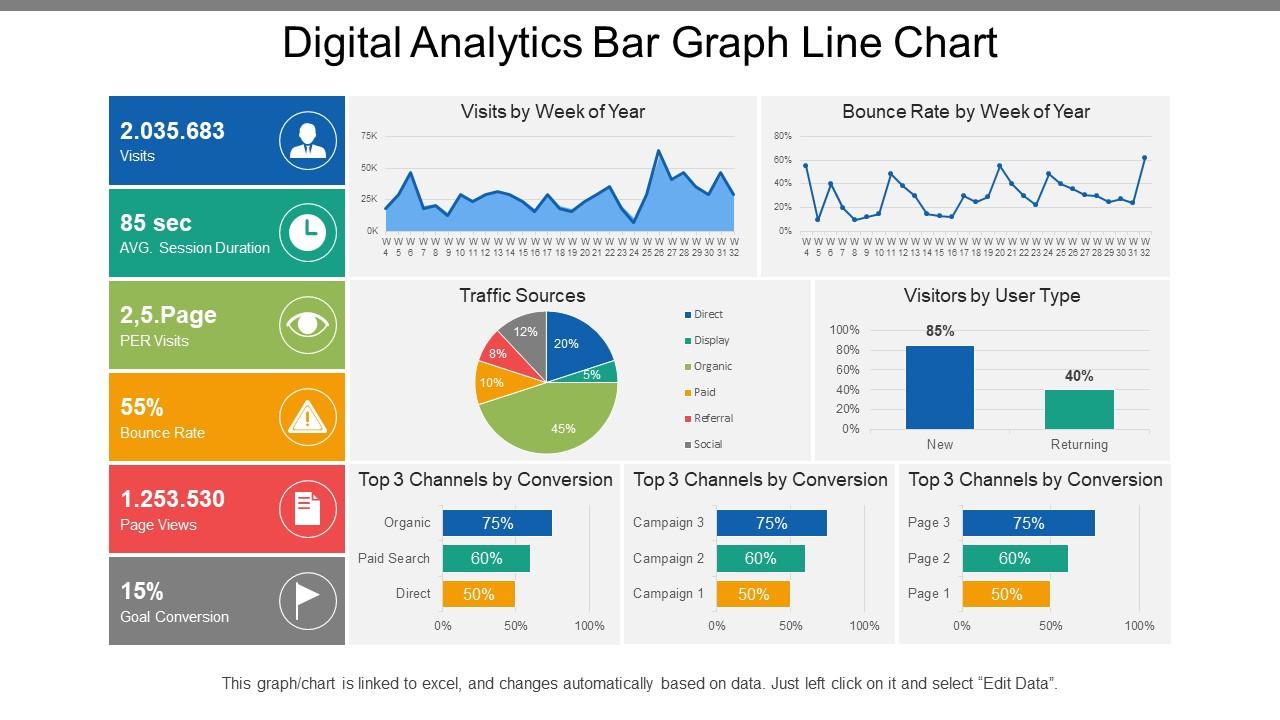
Most organizational data is representational.
It describes what exists, what happened, or how things look in aggregate. Reports, dashboards, weekly metrics, quarterly reviews. They are mirrors. Useful, but passive.
Interventional data is different.
It appears at the moment of choice. It narrows options. It introduces constraint. It forces tradeoffs.
Most companies invest heavily in representation and almost nothing in intervention. So data becomes something you observe, not something that acts.
This is why so much data feels inert.
Why Dashboards Do Not Move Decisions
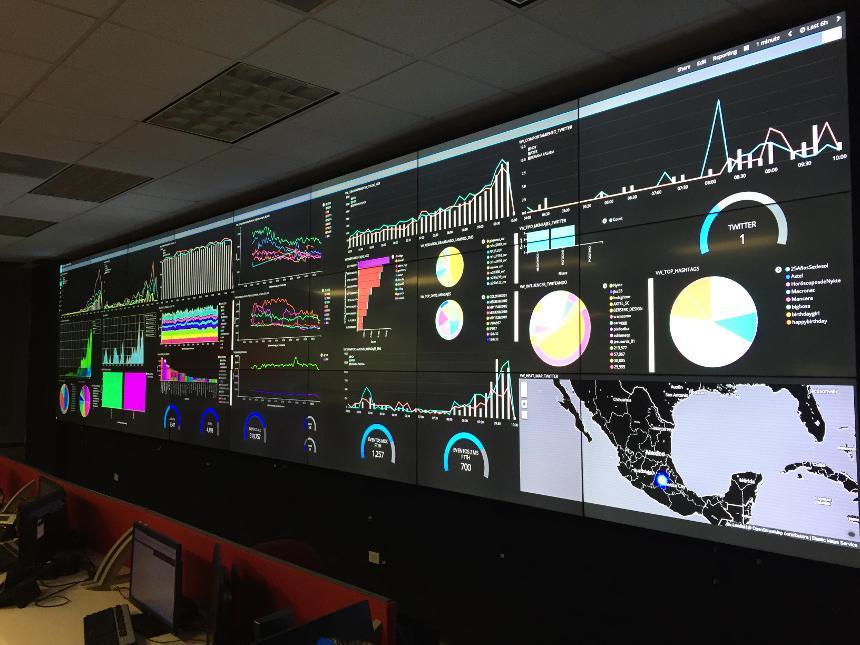
A dashboard answers “where are we?” A decision asks “what do we do now?”
Those are not the same question.
Unless a metric is explicitly tied to a decision, an owner, and a consequence, it cannot change behavior. It might inform. It might reassure. But it will not interrupt momentum.
This is the first failure mode: data without a decision slot.
Data Without Context Is Just Measurement

Numbers do not mean anything on their own. They only mean something relative to time, expectation, and alternatives.
Teams often know what moved, but not whether the movement is meaningful. Is this noise or a shift? Temporary or structural? Local or systemic?
When data lacks context, people default to intuition. Not because they dislike data, but because intuition already has context built in.
This is the second failure mode: data without interpretation.
Trust Is the Hidden Data Layer
Every organization maintains an unspoken credibility map. Some sources are relied on. Others are tolerated.
Once data contradicts lived experience or appears agenda driven, it stops influencing decisions even if it remains visible. This is why adding more dashboards rarely fixes the problem.
Trust is cumulative. It cannot be retrofitted.
This is the third failure mode: data without credibility.
When More Data Slows Everything Down

These failure modes compound in mid sized organizations.
They have enough data to create friction, but not enough coherence to resolve it quickly. Different teams optimize different metrics. Alignment becomes a reconciliation exercise.
Decision velocity drops not because teams are slow, but because the system demands certainty before action.
This is what people call data paralysis.
When Data Follows the Decision

At the executive level, a final inversion happens.
Decisions are often made under time pressure, ambiguity, or instinct. Data is requested afterward.
Not to explore options, but to validate direction.
This teaches the organization that data is confirmatory, not exploratory. Over time, teams learn to shape numbers around decisions instead of letting decisions emerge from numbers.
Data becomes supportive, not generative.
The Real Problem Is Decision Design
If you step back, the pattern is clear.
Organizations do not struggle with data volume. They struggle with decision coupling.
Data is collected in one system. Decisions happen in another.
Until data is designed to:
Arrive at the moment of choice
Reduce uncertainty rather than summarize history
Accumulate meaning over time
Earn trust through consistency
it will remain informational, not operational.
The question is not “Do we have the data?”
It is:
Where, exactly, does data get the power to change what happens next?
That is where real data use begins.