I love math in the way some people love astrology. Not because it predicts the future, but because it gives you better questions.
One of my favorite ideas from math is information theory. It sounds scary. It is not.
At its core, information theory asks something very simple:
Did this thing I just saw actually teach me anything?
What is information theory, in human terms
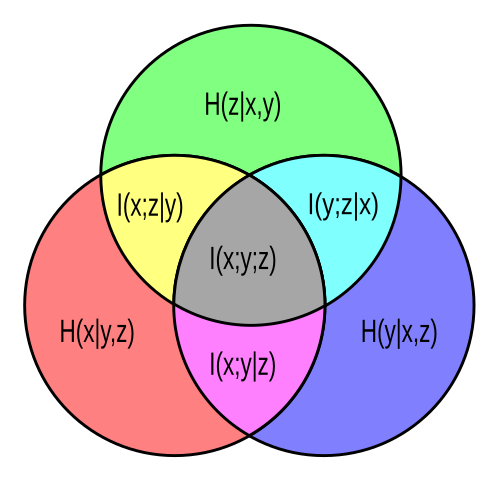
Information is not facts. Information is not data. Information is not dashboards.
Information is surprise.
If something happens exactly the way you expected, it contains almost no information. If something unlikely happens, your brain lights up. That is information.
So information theory is really about uncertainty.
Before I see something, I have many possible futures in my head.
After I see it, some futures disappear.
If fewer futures remain, I gained information.
Signals vs noise
This is where signals come in.
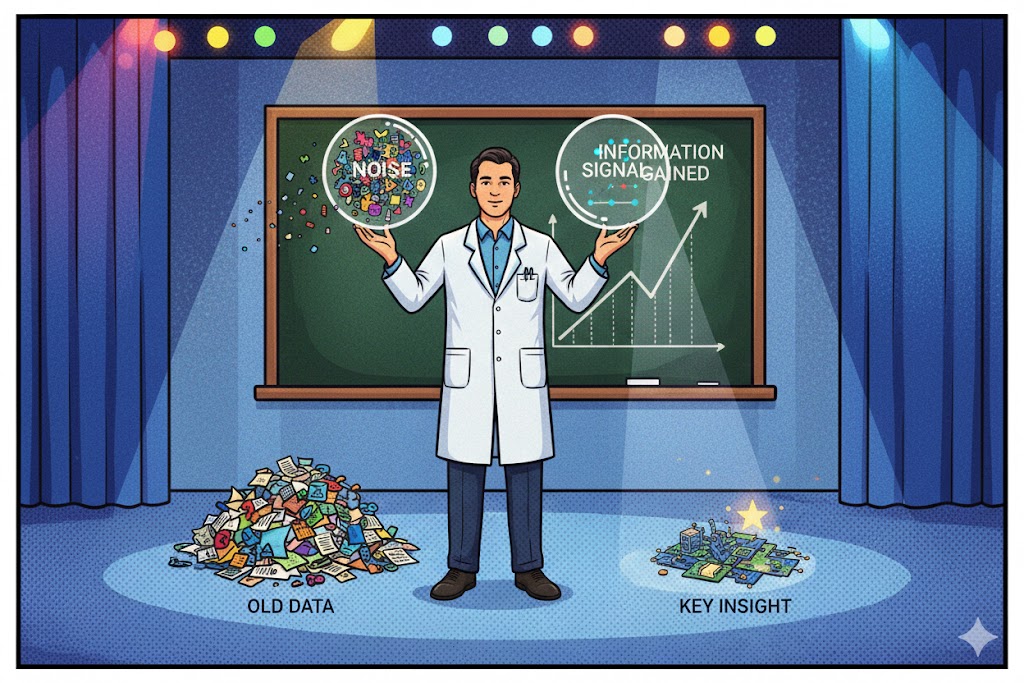
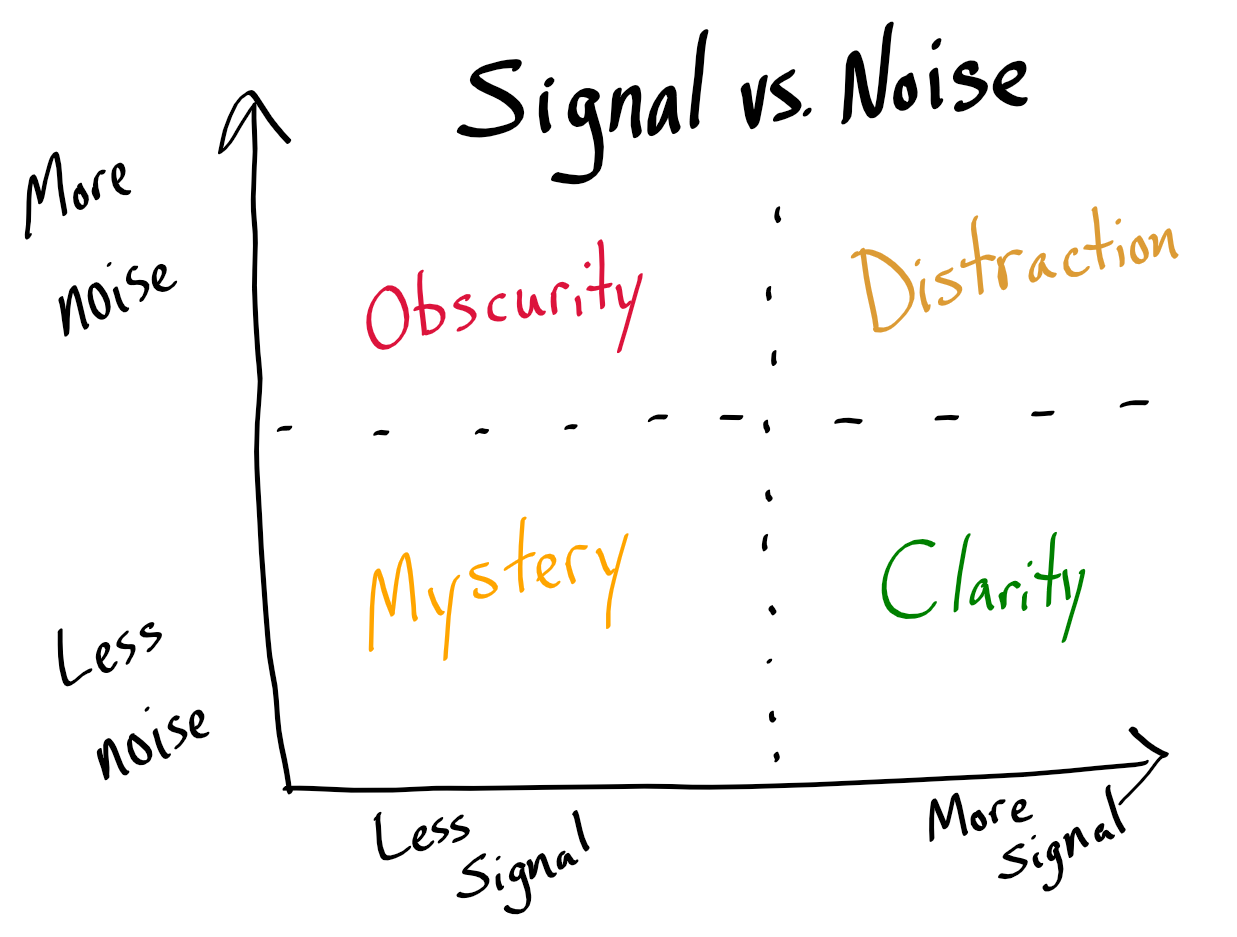
A signal is anything that reduces uncertainty. Noise is everything else.
Most things in markets are noise. Even smart looking noise.
News, announcements, alerts, metrics, posts. They create motion, not clarity.
A good test is simple: Did this change what I would do next?
If the answer is no, it was noise.
Why this matters for go to market
GTM is basically decision making under uncertainty.
Who is ready. What matters. What is early. What is already too late.
The problem is that most “signals” people use are backward looking. Revenue. Headcount growth. Funding announcements. Press.
They explain what already happened. They rarely explain what will happen next.
Real signals usually look boring at first. They are small. They repeat. They show intent or constraint, not commentary.
And they decay fast.
Signal decay is real
Signals have a half life.
The moment a signal becomes obvious, it becomes weaker. Once everyone sees it, the advantage is gone.
That is why timing matters as much as accuracy. A slightly wrong early signal can be more useful than a perfect late one.
Good systems care about:
When a signal appeared
How often it repeats
What context it lives in
Whether it is compounding or fading
Why alerts fail
Alerts treat signals like single events.
Markets do not move on single events. They move on accumulation.
One weak signal does nothing. Five weak signals aligned over time change everything.
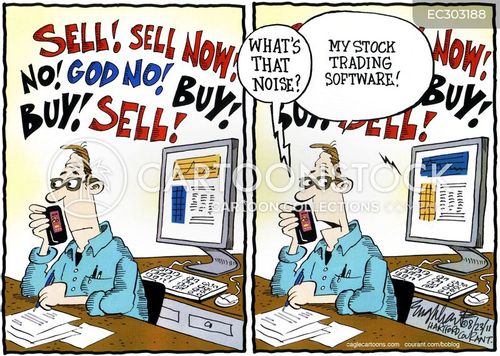
Without memory, context, and decay, alerts just become noise generators.
The real idea underneath all of this
This is not about finding the one magic signal.
It is about reducing uncertainty over time.
Filtering noise. Remembering what mattered. Letting weak signals compound. Letting old signals die.
That is information theory applied to GTM.
Also yes. This is why I love math.